When we pull away from your driveway with a truckload of junk, the job isn't over — it's just moving to the next phase. A lot of people assume everything goes straight to a landfill. The reality is more involved, and we think it matters.
Here's what actually happens to your stuff after we pick it up.
Step 1: Everything Goes to Our Sorting Facility
We don't dump on the way home. Every load comes back to our facility, where it gets sorted before any of it goes to final disposal. This step is what makes the rest of the process possible.
Step 2: Usable Items Go to Donation Partners
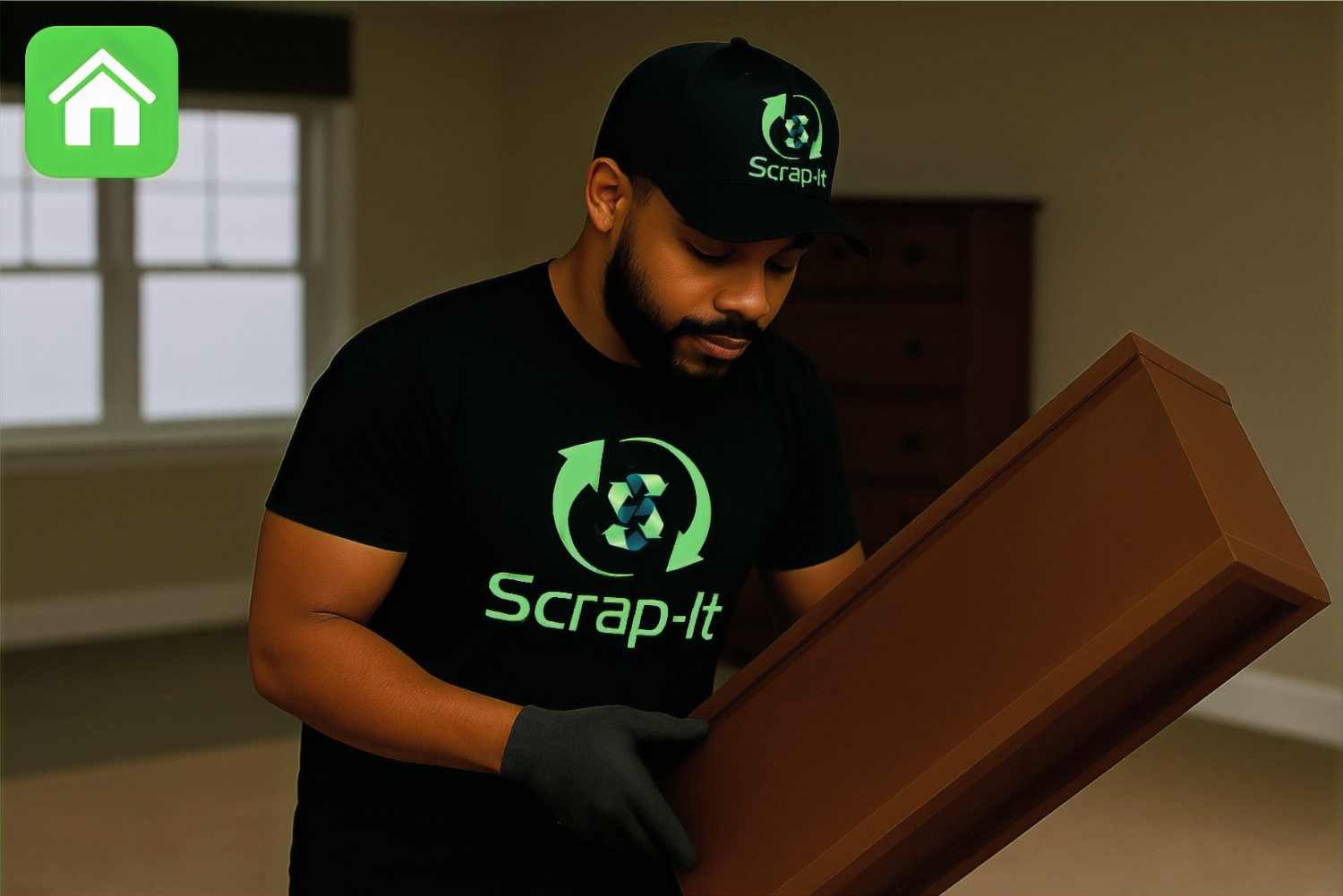
Furniture in good condition, clothing, kitchen items, tools, and household goods get pulled from the load and delivered to charity partners — organizations like the Salvation Army and Habitat for Humanity ReStore. Items that are donated don't go to a landfill. They go to families who need them, and donors can typically get a tax receipt for what we drop off on their behalf.
Step 3: Recyclables Get Sorted and Sent to Certified Centers
Metals, cardboard, electronics, and certain plastics are separated and taken to certified recycling centers. Scrap metal is one of the most valuable recyclables we deal with — old appliances, bed frames, filing cabinets, and wire can all be melted down and reused. E-waste (computers, TVs, phones) goes to electronics recyclers certified under New York State's e-waste program, keeping toxic components out of the ground.
Step 4: What's Left Goes to Landfill — and We Work to Minimize It
Not everything can be donated or recycled. Items that are broken, contaminated, or made from mixed materials that can't be separated often end up in a landfill. We try to keep this percentage as low as possible on every job. It's not zero — but it's a fraction of what it would be if you'd thrown everything in a dumpster yourself.
Why This Matters
Long Island doesn't have unlimited landfill capacity. New York State has been dealing with a solid waste crisis for years, and the cost of landfilling is rising. Every ton diverted to donation or recycling reduces tipping fees, reduces emissions from decomposing waste, and extends the life of the landfills that do exist. When you hire an eco-conscious junk removal company, you're making a real choice — not just a feel-good one.
We built Scrap-It! around this process because we believe junk removal can be done better. If you have a cleanout coming up, get an instant price estimate at scrapit.io/book — describe your job and see a price range in seconds, before we even arrive.